The Pictures
Eleven works, each one earning its place on the page it sits on. None of them are ours.
The idea of setting a painting beside a text each day is not ours either. It belongs to Christian Art, the daily Gospel and art reflection written by Fr Patrick van der Vorst. We took the idea and none of the files: every image below was sourced from Wikimedia Commons, and the licence on each individual file was checked before it was downloaded, because a painting can be five hundred years old and the photograph of it still be somebody's property.
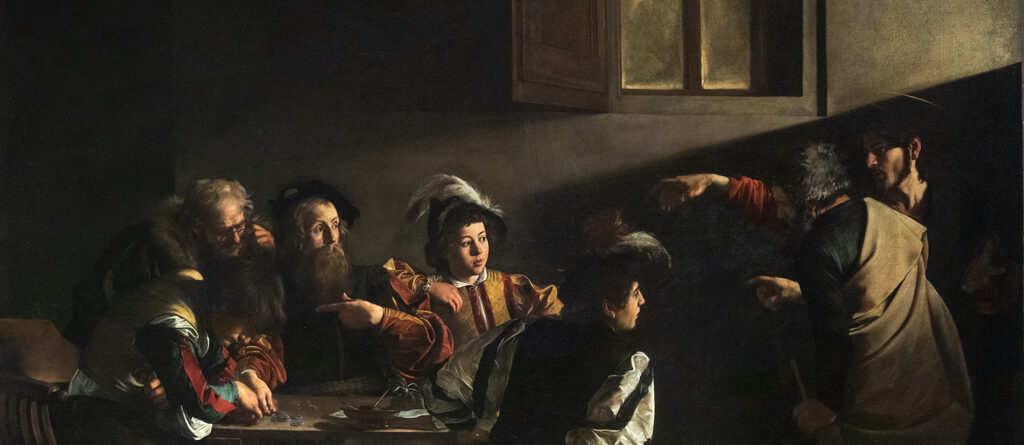
Caravaggio, The Calling of Saint Matthew, 1599 to 1600
Contarelli Chapel, San Luigi dei Francesi, Rome
A room of men bent over a table of money. One of them is being called by name, and he is the last to look up.
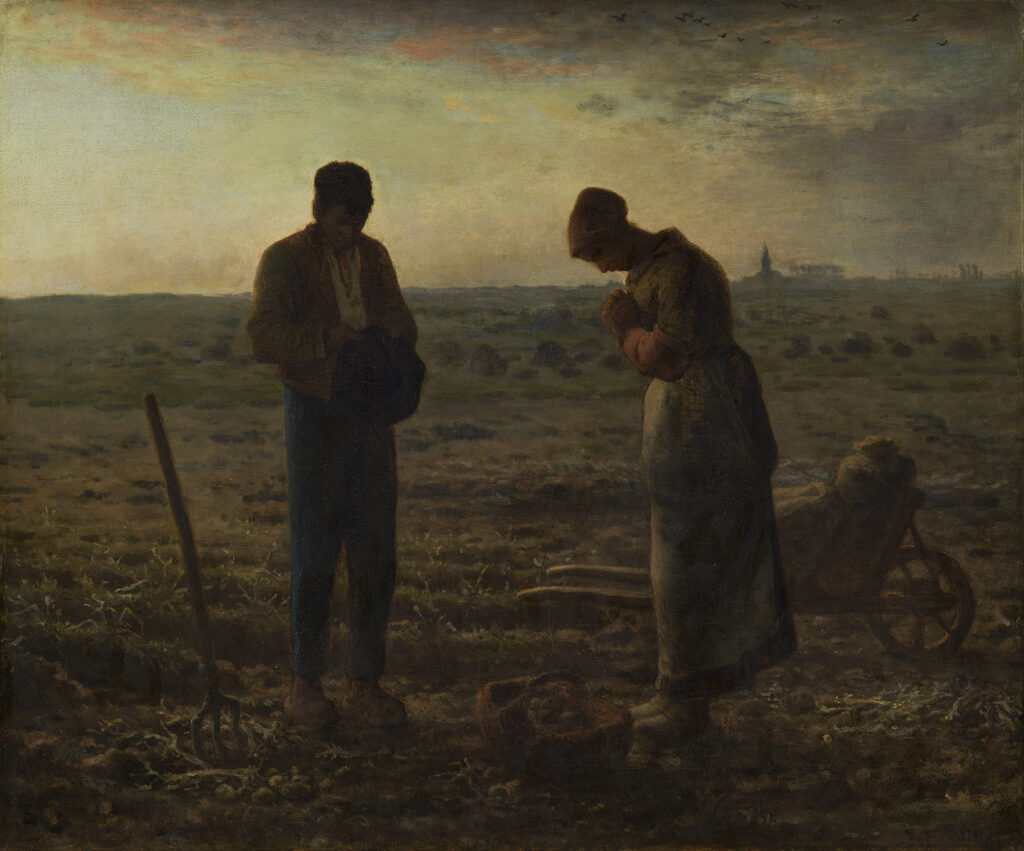
Jean-François Millet, The Angelus, 1857 to 1859
Musée d'Orsay, Paris
They stopped the work in their hands because a bell rang.
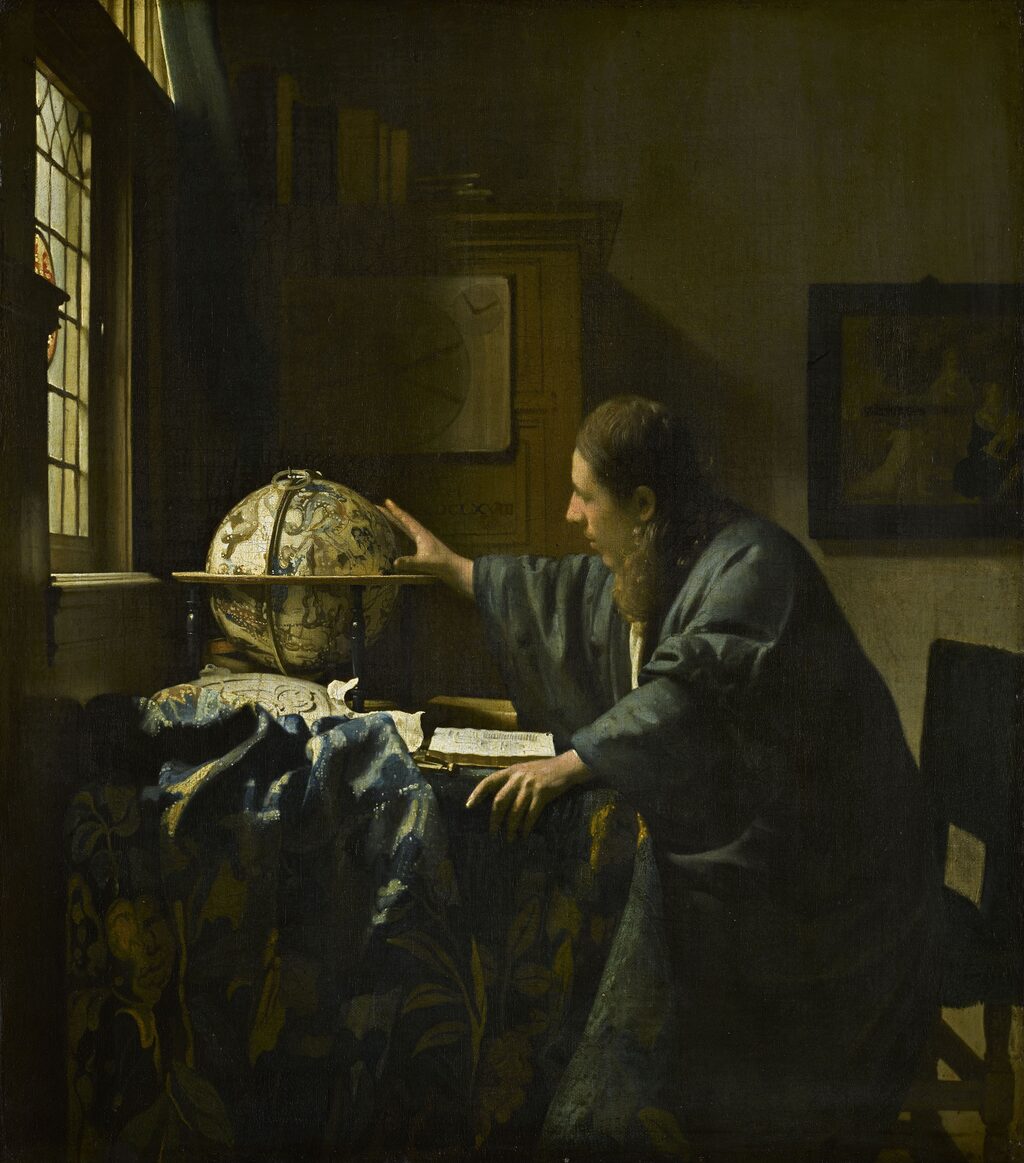
Johannes Vermeer, The Astronomer, 1668
Musée du Louvre, Paris
Attention given to something outside himself, steadily, with both hands.
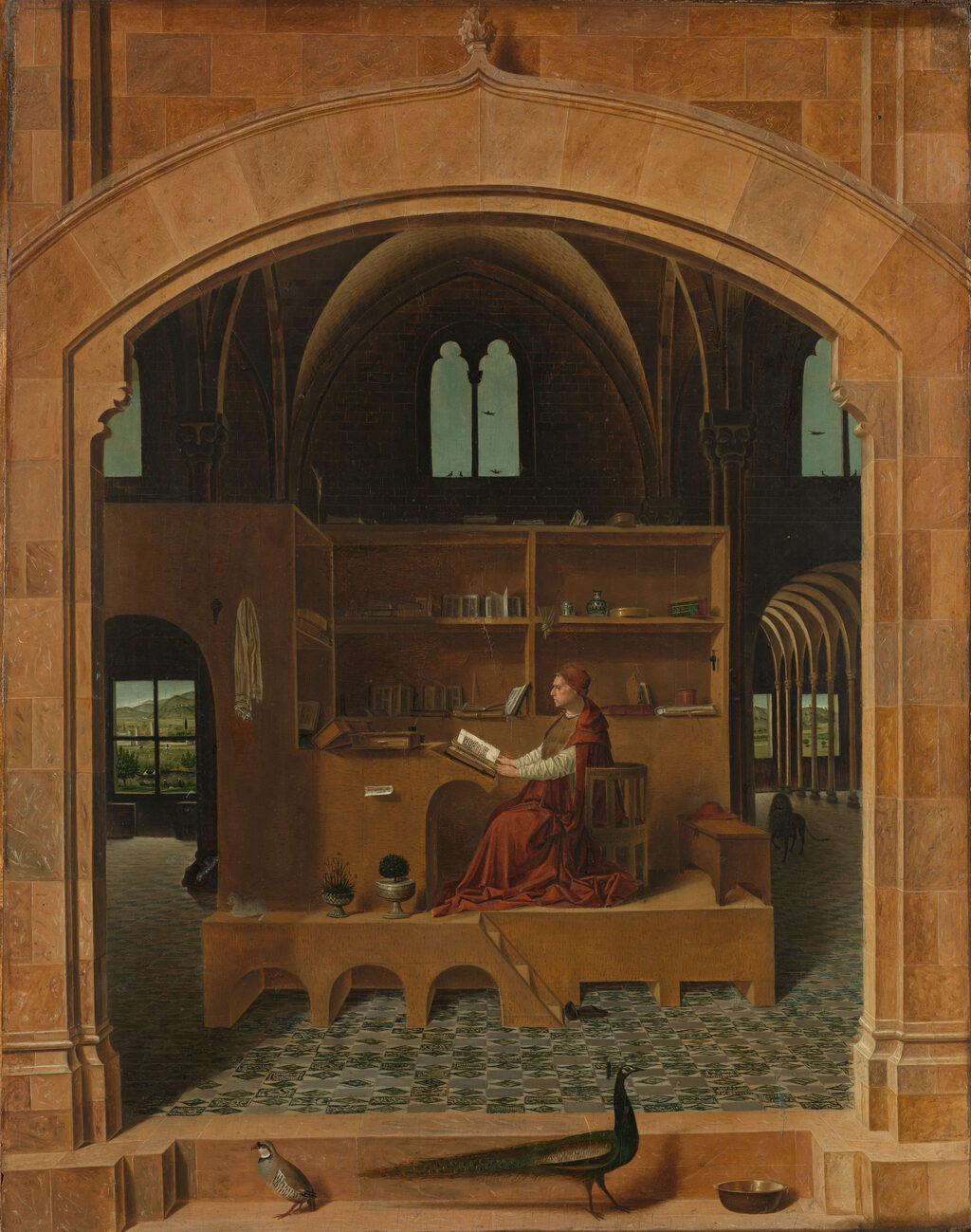
Antonello da Messina, Saint Jerome in His Study, about 1475
The National Gallery, London
The room is ordered, the light is borrowed, and the work is slow.
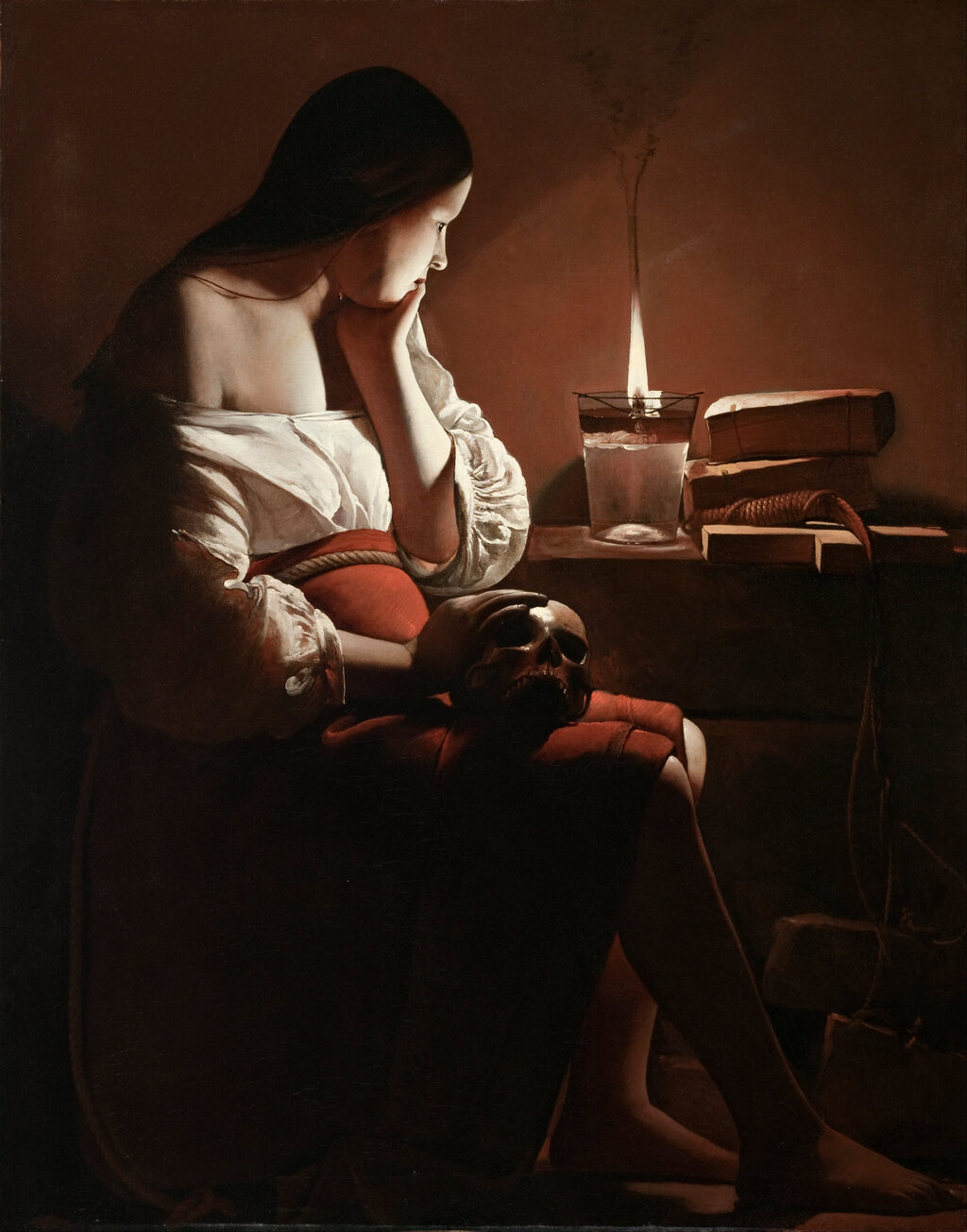
Georges de La Tour, The Magdalen with the Smoking Flame, about 1640
Los Angeles County Museum of Art
One small flame, and a woman who has stopped moving in front of it.
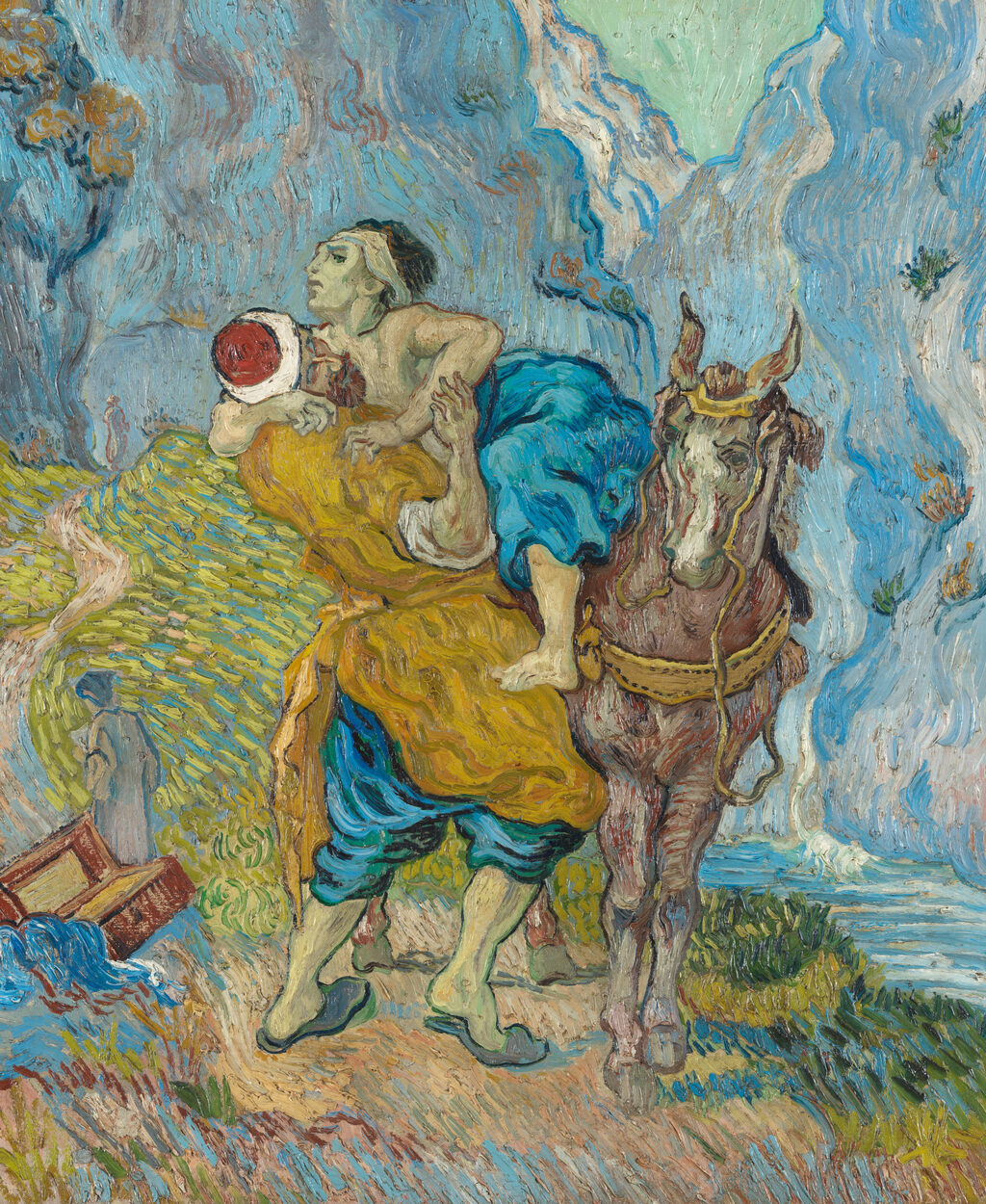
Vincent van Gogh, The Good Samaritan (after Delacroix), 1890
Kröller-Müller Museum, Otterlo
The one who crossed the road is the one the story is named after.
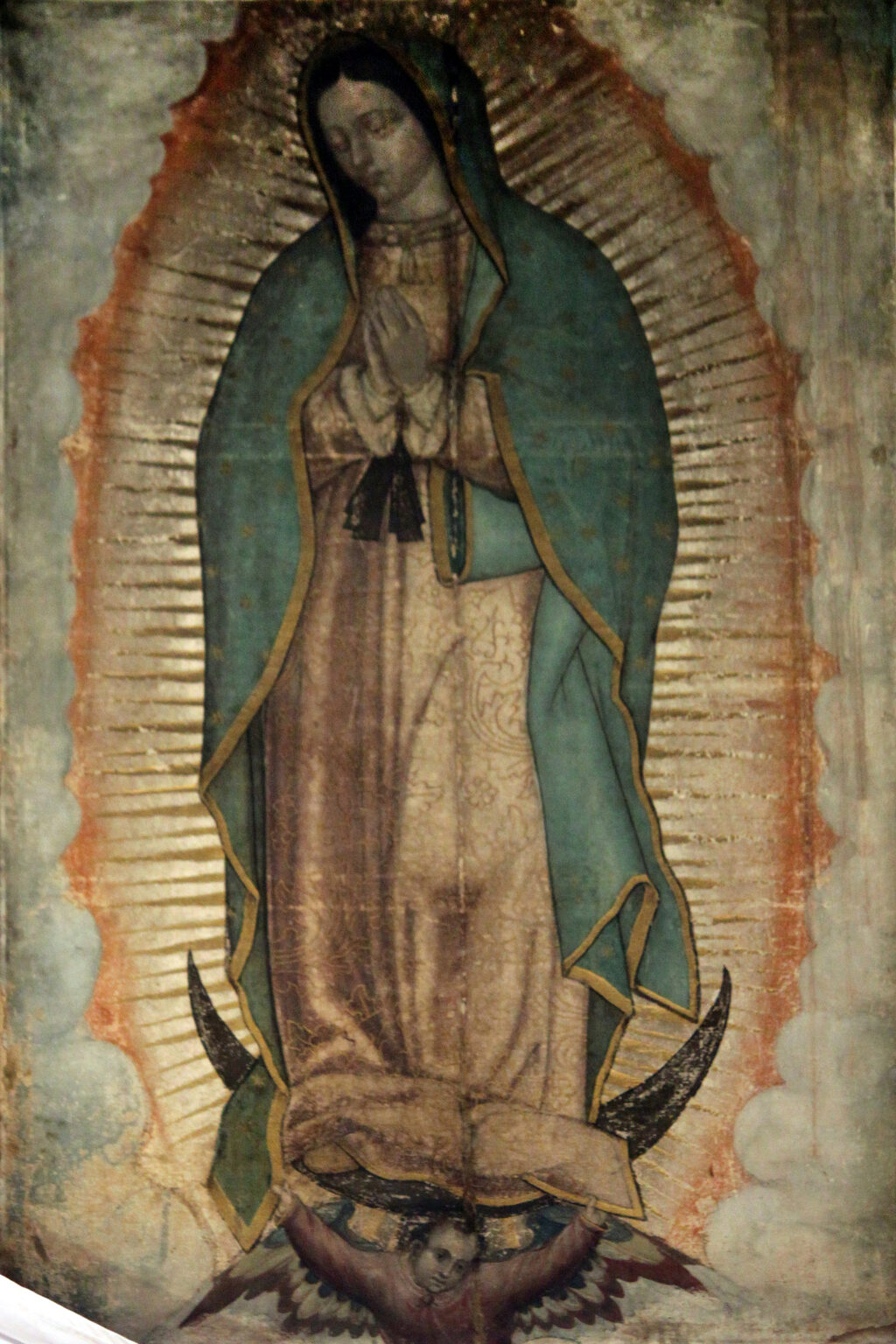
Unknown (tradition holds the image was not made by human hands), Our Lady of Guadalupe, the tilma of Saint Juan Diego, 1531
Basilica of Our Lady of Guadalupe, Mexico City
The message that reached the Americas came as an image, in the signs and the language of the man who received it, and he was poor.
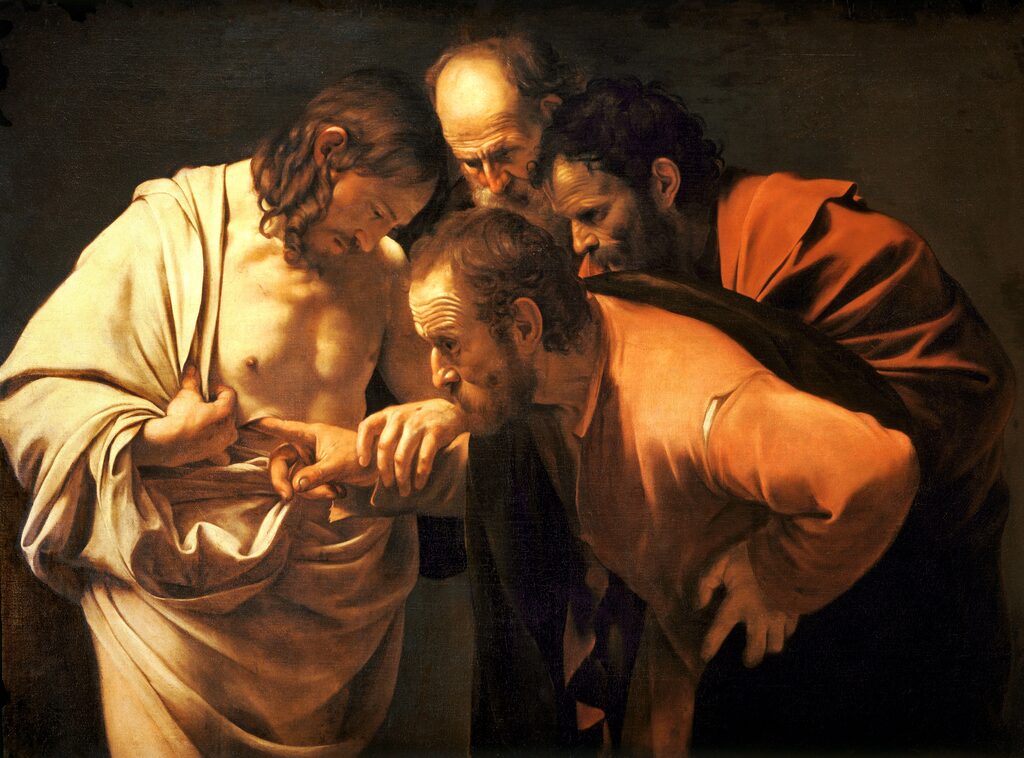
Caravaggio, The Incredulity of Saint Thomas, 1601 to 1602
Bildergalerie, Sanssouci, Potsdam
He was not asked to feel convinced. He was told to put his hand in the wound.
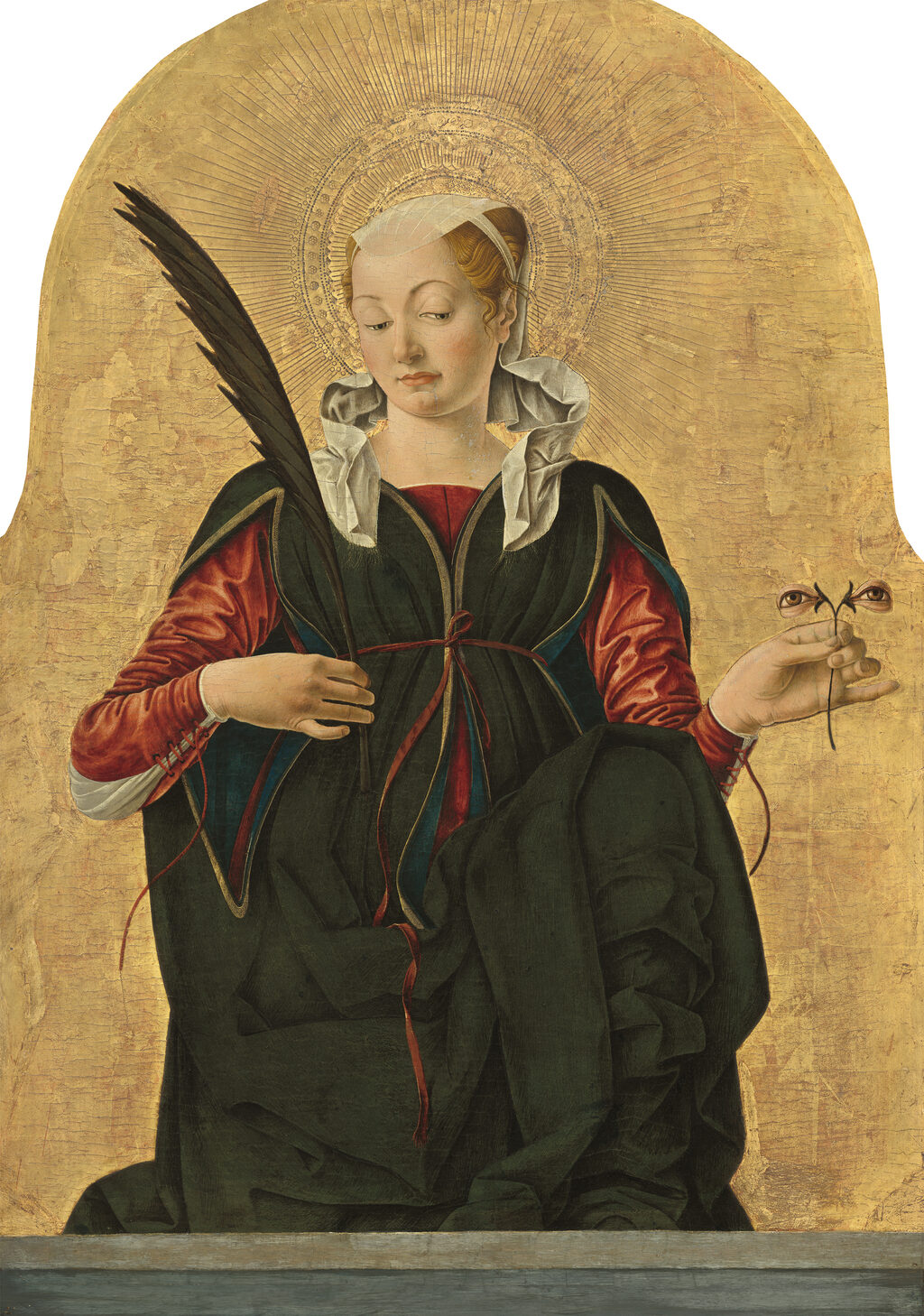
Francesco del Cossa, Saint Lucy, about 1473 to 1474
National Gallery of Art, Washington
She carries her own eyes on a stem. The audit is named after her for that reason.
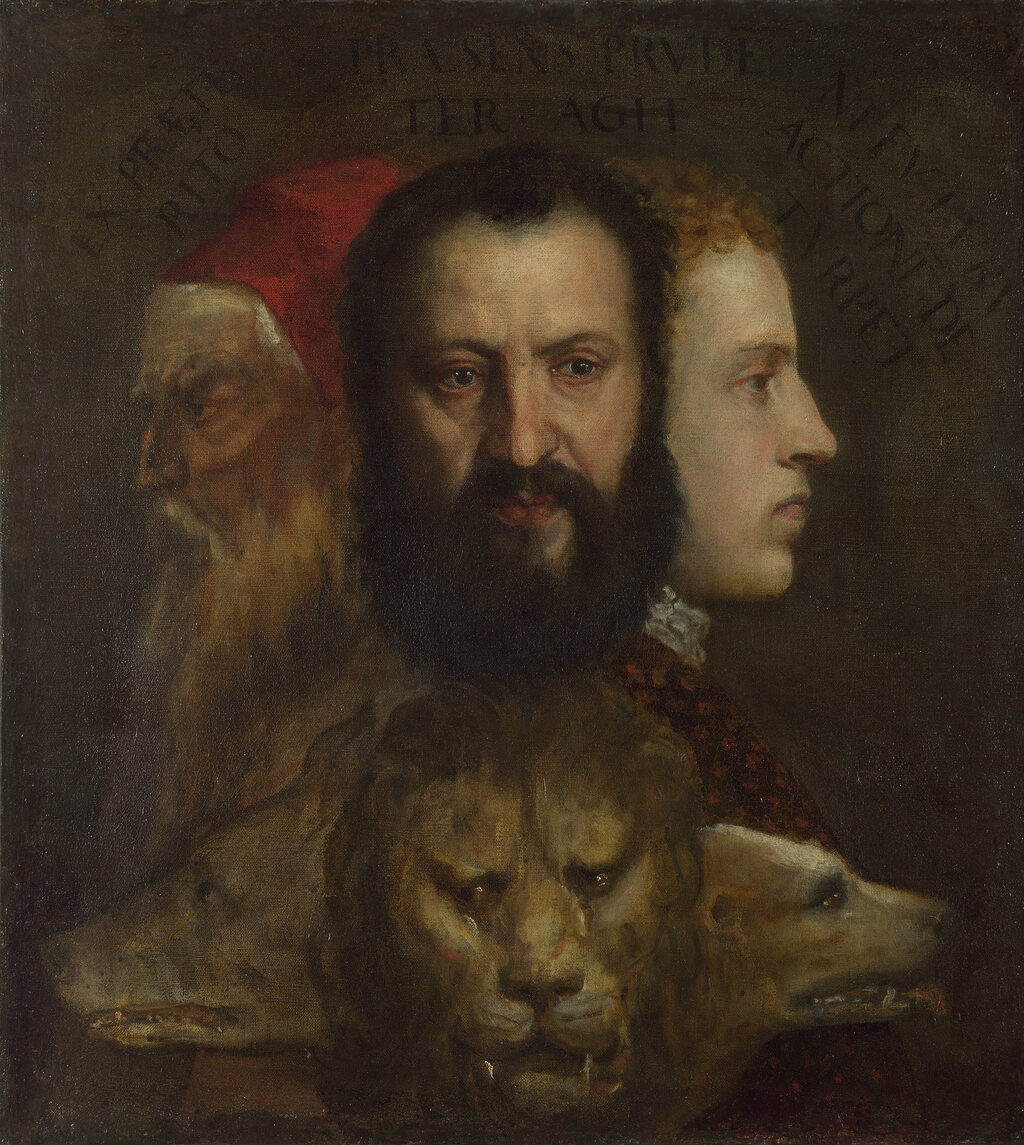
Titian and workshop, An Allegory of Prudence, about 1550 to 1565
The National Gallery, London
Three faces on one head: what has happened, what is happening, and what is coming.
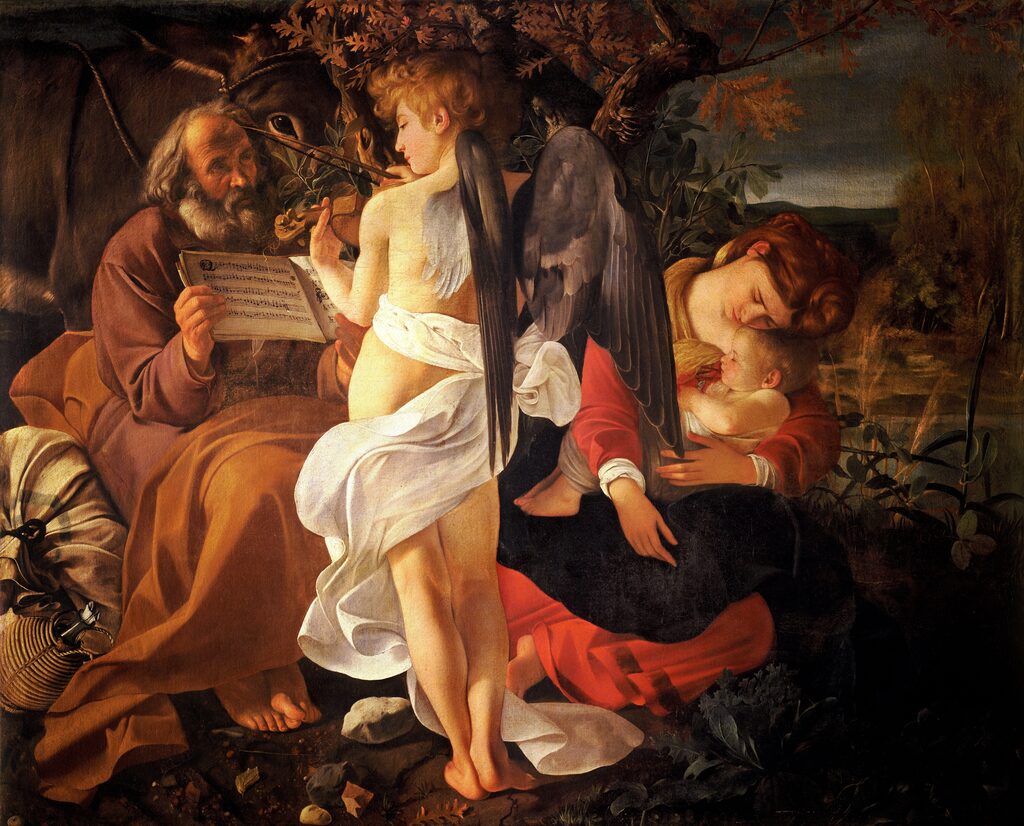
Caravaggio, Rest on the Flight into Egypt, about 1597
Galleria Doria Pamphilj, Rome
Someone had to stop travelling before this could happen.
Las Pinturas
Once obras, cada una se gana su lugar en la página donde está. Ninguna es nuestra.
La idea de poner cada día una pintura junto a un texto tampoco es nuestra. Es de Christian Art, la reflexión diaria del Evangelio y el arte que escribe el P. Patrick van der Vorst. Tomamos la idea y ningún archivo: cada imagen viene de Wikimedia Commons, y la licencia de cada archivo se verificó antes de descargarlo, porque una pintura puede tener quinientos años y la fotografía seguir siendo de alguien.
Caravaggio, La vocación de san Mateo, 1599 a 1600
Capilla Contarelli, San Luigi dei Francesi, Roma
Una sala de hombres inclinados sobre una mesa de dinero. A uno lo están llamando por su nombre, y es el último en levantar la vista.
Jean-François Millet, El Ángelus, 1857 a 1859
Museo de Orsay, París
Detuvieron el trabajo que tenían en las manos porque sonó una campana.
Johannes Vermeer, El astrónomo, 1668
Museo del Louvre, París
Atención puesta en algo fuera de sí mismo, con calma y con las dos manos.
Antonello da Messina, San Jerónimo en su estudio, hacia 1475
National Gallery, Londres
La sala está ordenada, la luz es prestada y el trabajo es lento.
Georges de La Tour, La Magdalena de la llama humeante, hacia 1640
Museo de Arte del Condado de Los Ángeles
Una llama pequeña, y una mujer que ha dejado de moverse ante ella.
Vincent van Gogh, El buen samaritano (según Delacroix), 1890
Museo Kröller-Müller, Otterlo
Aquel que cruzó el camino es quien da nombre a la historia.
Anónimo, Nuestra Señora de Guadalupe, la tilma de san Juan Diego, 1531
Basílica de Nuestra Señora de Guadalupe, Ciudad de México
El mensaje que llegó a las Américas vino como imagen, en los signos y la lengua del hombre que lo recibió, y él era pobre.
Caravaggio, La incredulidad de santo Tomás, 1601 a 1602
Bildergalerie, Sanssouci, Potsdam
No le pidieron que se sintiera convencido. Le dijeron que metiera la mano en la herida.
Francesco del Cossa, Santa Lucía, hacia 1473 a 1474
National Gallery of Art, Washington
Lleva sus propios ojos en un tallo. Por eso la auditoría lleva su nombre.
Tiziano y taller, Alegoría de la prudencia, hacia 1550 a 1565
National Gallery, Londres
Tres rostros en una cabeza: lo que pasó, lo que pasa y lo que viene.
Caravaggio, Descanso en la huida a Egipto, hacia 1597
Galleria Doria Pamphilj, Roma
Alguien tuvo que dejar de viajar para que esto pudiera ocurrir.